
Quick guide: Compare fragrance concentrations without relying on misleading strength assumptions.
EDT, EDP and parfum are concentration categories, but the label alone cannot predict projection, character or exact wear time. Formula design, materials, climate, skin and application all matter.
What the labels indicate
Eau de toilette generally uses a lighter aromatic concentration than eau de parfum, while parfum or extrait is usually more concentrated. These are conventions rather than a universal performance guarantee, and brands formulate within ranges.
Why stronger is not always better
More concentrate can change texture and diffusion. A lighter formula may feel brighter and more expansive; a richer formula may sit closer or emphasize base notes. Choose the experience, not simply the largest percentage.
How to compare fairly
Compare the same number of sprays, on separate skin areas, in the same environment. Note the opening, the character after one hour and whether you still enjoy the dry-down.
A practical decision process
- Define where and when you expect to wear the fragrance.
- Identify the two or three note families you genuinely enjoy.
- Test a controlled application on skin and allow the dry-down to develop.
- Judge comfort, character and usefulness—not hype or a promised number of hours.
UAE climate and shared-space considerations
Warm outdoor conditions can accelerate evaporation and make an opening feel more noticeable, while strongly air-conditioned interiors may change perception again. Start conservatively, move through your normal day and only then decide whether the application needs adjustment. In offices, cars, lifts, restaurants and family gatherings, consideration for other people matters as much as personal preference.
Checklist
- Read the exact product format
- Test on skin
- Compare equal applications
- Choose for setting and preference
Explore relevant ABZU fragrances
The product module below uses live WooCommerce information, so current pricing and availability are not hard-coded into this editorial guide.
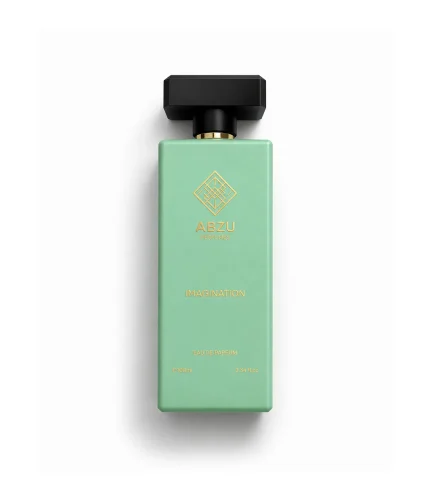
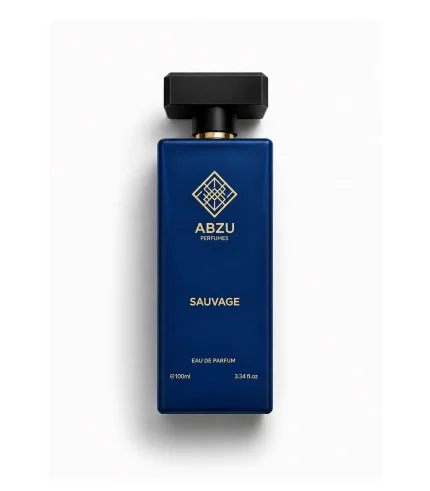
Abzu Sauvage 100ml
Frequently asked questions
Does a note list guarantee how a perfume will smell on me?
No. A note list describes direction, while formula balance, skin, environment and perception determine the wearing experience.
Can I predict exact longevity from concentration or notes?
No. Concentration labels and note families can provide context, but they cannot guarantee an exact number of hours for every wearer.
Should fragrance be chosen by gender?
That is optional. Many customers get better results by choosing the notes, mood and setting they personally enjoy.
Continue learning
Read Understanding Perfume Notes, Find Your Fragrance Family, and How to Choose Perfume for UAE Weather.
How to turn fragrance vocabulary into a better decision
A useful fragrance guide should help you make a decision, not simply give you more adjectives. Start by separating three questions: what do you smell, how does the fragrance behave in your environment, and where would you realistically wear it? A perfume may be beautifully made yet still be wrong for a close office, a hot commute or the role already filled by another bottle in your collection.
Write down concrete impressions rather than only “nice” or “strong.” Words such as dry, sparkling, creamy, leafy, smoky, powdery, tart and resinous are more useful because they describe character. Then record whether that character remains consistent after the opening. This makes later comparisons more reliable and reduces the influence of packaging, popularity and the first few seconds.
A simple three-wear evaluation
Use the first wear to understand the fragrance without changing your normal routine. Use the second in the setting where you expect to wear it—work, an evening event or a relaxed weekend. Use the third to confirm that you still enjoy the dry-down. Keep the number and placement of sprays consistent. If the result changes, consider temperature, moisturiser, clothing and time spent outdoors before assuming the bottle itself changed.
During each wear, note the opening at five minutes, the heart around one hour and the later impression. These are observation points, not rigid perfume rules. The goal is to notice the fragrance’s arc and your comfort with it. Ask whether you would choose it again for the same setting; repeat use is a better sign of value than an exciting first spray.
Marketing claims versus personal evidence
Terms such as intense, elixir, sport, absolute and extrait are useful brand language, but they are not universal technical standards. Likewise, concentration cannot promise a precise number of hours on every wearer. Treat published specifications as context and your controlled wear test as the final decision. Avoid similarity percentages, guaranteed projection and universal longevity claims unless independently substantiated under a defined method.
Comfort, sensitivity and consideration
Do not spray fragrance on irritated or broken skin. If you know that you are sensitive to fragranced products, review the product information and test cautiously. In shared spaces, reduce application and respect fragrance-free policies. The best application is not the maximum other people can detect; it is the level that lets you enjoy the scent without taking control of the room.