


Quick guide: Explore leather fragrance styles from soft suede to dark smoky woods.
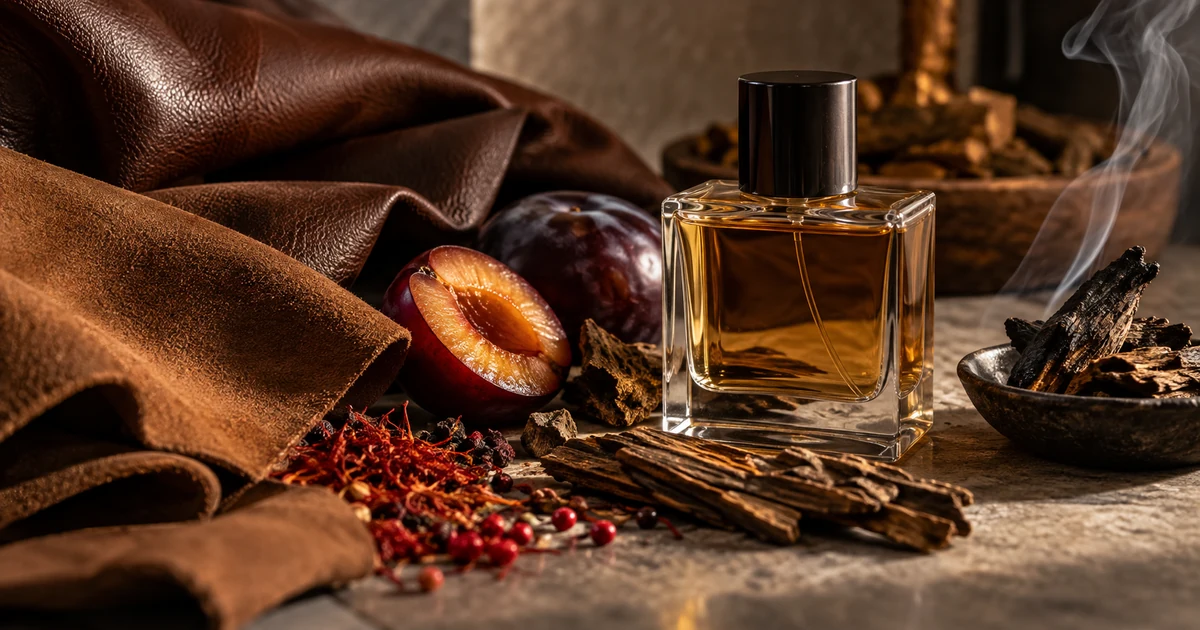
Leather in perfume is an accord: a constructed impression that can feel like suede, polished leather, smoke, tar, spice or warm skin.

Soft versus dark leather
Fruit, flowers and musk can create a supple suede effect. Smoke, birch-like facets, oud and patchouli can make the style darker and drier.
Leather with fruit
Raspberry and apricot provide contrast, making leather feel more textured and less severe. The result can move between playful and elegant.
Choosing the right setting
Leather styles often suit evening and cooler interiors, but a soft composition can work more broadly. Application level matters more than a fixed rule.
A practical decision process
- Define where and when you expect to wear the fragrance.
- Identify the two or three note families you genuinely enjoy.
- Test a controlled application on skin and allow the dry-down to develop.
- Judge comfort, character and usefulness—not hype or a promised number of hours.
UAE climate and shared-space considerations
Warm outdoor conditions can accelerate evaporation and make an opening feel more noticeable, while strongly air-conditioned interiors may change perception again. Start conservatively, move through your normal day and only then decide whether the application needs adjustment. In offices, cars, lifts, restaurants and family gatherings, consideration for other people matters as much as personal preference.
Checklist
- Decide between suede and smoke
- Check fruit and floral contrast
- Test the base
- Apply carefully in shared spaces
Explore relevant ABZU fragrances
The product module below uses live WooCommerce information, so current pricing and availability are not hard-coded into this editorial guide.
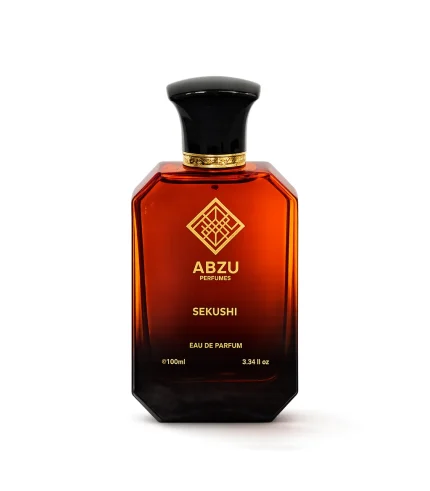
Abzu Sekushi 100ml
Frequently asked questions
Does a note list guarantee how a perfume will smell on me?
No. A note list describes direction, while formula balance, skin, environment and perception determine the wearing experience.
Can I predict exact longevity from concentration or notes?
No. Concentration labels and note families can provide context, but they cannot guarantee an exact number of hours for every wearer.
Should fragrance be chosen by gender?
That is optional. Many customers get better results by choosing the notes, mood and setting they personally enjoy.
Continue learning
Read Understanding Perfume Notes, Find Your Fragrance Family, and How to Choose Perfume for UAE Weather.
Fragrance families overlap more than charts suggest
Family labels are navigation tools, not locked boxes. Incense may appear in amber, woody and leather compositions. Tea can connect citrus freshness with dry woods. Sandalwood can support florals or vanilla. Patchouli may feel earthy in one formula and polished in another. Leather can be smoky, suede-like or softened by fruit and musk. Understanding these overlaps helps explain why a perfume may fit more than one category.
Instead of asking whether a fragrance is “really” floral or woody, identify its centre of gravity and its supporting contrast. A jasmine-vanilla perfume may be floral first and ambered underneath. An oud-rose perfume may be woody first with a floral lift. A tea-citrus scent may begin fresh yet finish aromatic and dry. The most useful description follows the wear rather than forcing one label.
Use a comparison grid
For two candidates, score neither quality nor prestige. Record four neutral dimensions: brightness, sweetness, dryness and density. Add a fifth line for the setting where each feels most natural. This grid turns vague preference into something you can act on. If both bottles occupy the same position, consider whether owning both serves a genuine purpose.
Observe the dry-down carefully
Base materials and long-lasting accords become clearer after the attention-grabbing opening has softened. Test on separate skin areas, avoid rubbing and return after an hour. When possible, wear each fragrance alone on a different day. Side-by-side testing is useful for contrast, but too many samples can tire the nose and hide subtle differences.
Wear rich families considerately
Incense, oud, leather, amber and dense woods can be expressive with very little product. Begin with one spray in close environments. Tea, citrus and airy florals may feel lighter, but they still deserve controlled application. Projection is not a measure of craftsmanship, and a fragrance does not need to fill a room to be successful.
Keep the language honest
Fragrance perception is subjective. Descriptions such as smoky, clean or creamy are observations, not laboratory measurements. Exact longevity, sillage and similarity percentages should not be presented as universal facts. A responsible guide gives readers vocabulary and a test method, then leaves room for individual experience.


